Events
Subscribe to the NERA email newsletter for updates on future news and events!
Subscribe here
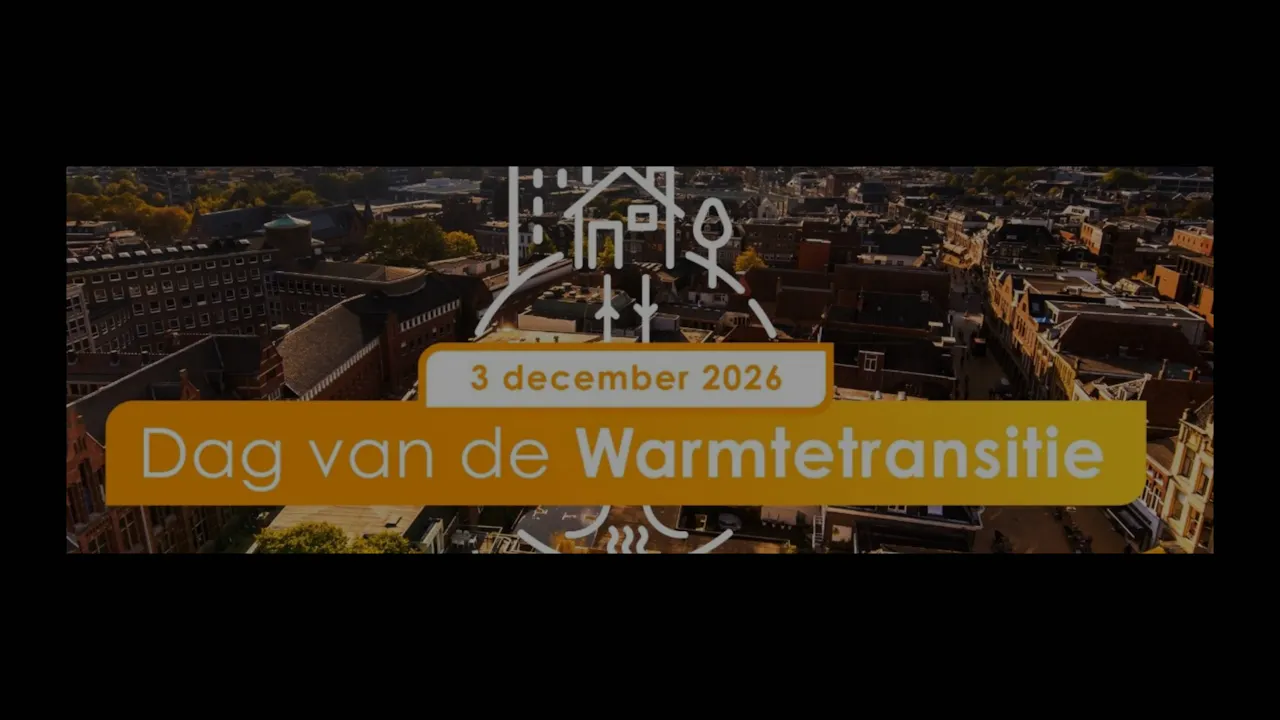
Dag van de Warmtetransitie 2026 (Heat Transition Day 2026)
During Heat Transition Day, we will bring together all the relevant stakeholders: local authorities, heating companies, geothermal developers, network operators, researchers, policymakers and other interested parties. It will be a day full of inspiration, featuring keynote speakers Louise van Schaik (Clingendael, Energy Council) and Reint Jan Renes (Amsterdam University of Applied Sciences, Centre of Expertise City Net Zero), compelling real-world examples and innovative collaborations.
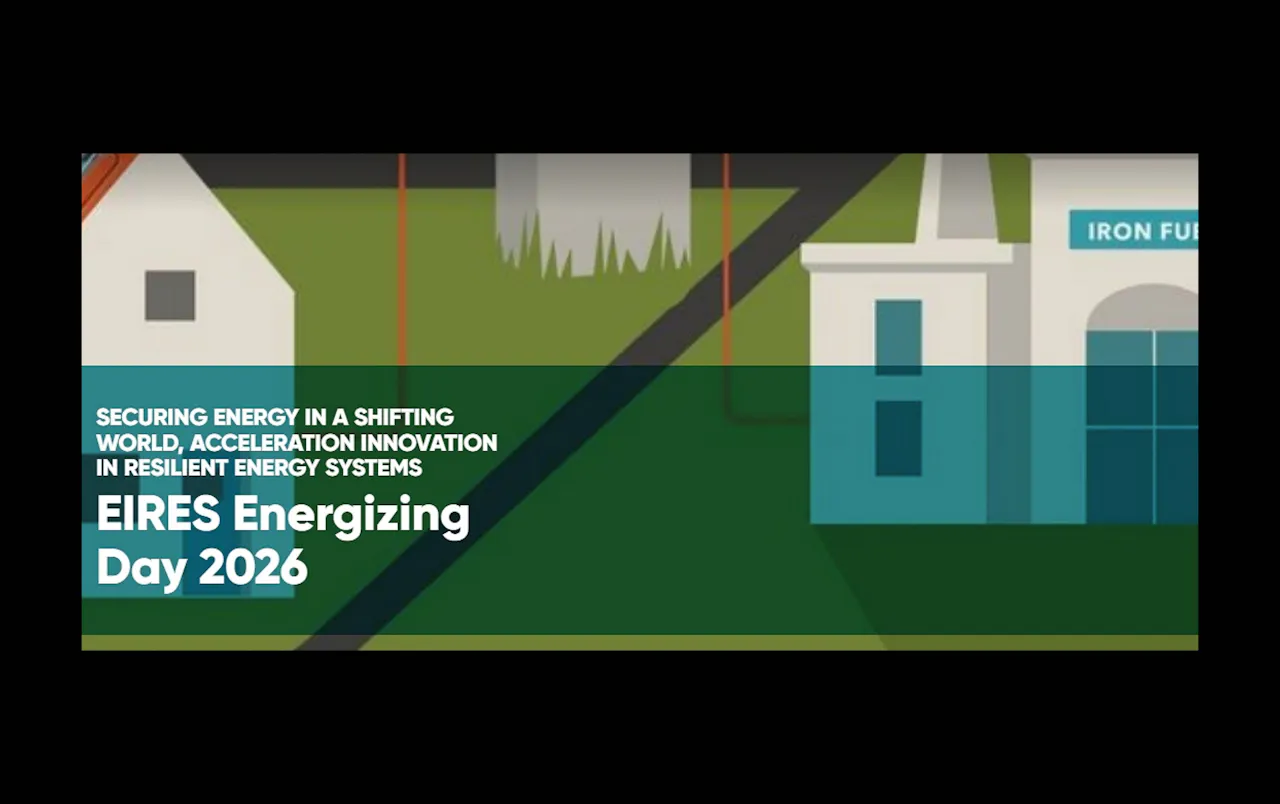
EIRES Energizing Day
Welcome to Energizing Day, the event where innovation and forward-thinking collaboration take center stage. After a very successful edition last year, EIRES (Eindhoven Institute for Renewable Energy Systems) will organize its fifth Energizing Day. The event is open for anyone interested in the latest developments in energy storage and conversion, from both inside and outside TU/e. We are proud to present a series of top notch speakers who will share their views, solutions and outlooks on the challenges we are facing when it comes to the energy transition. The day leaves plenty of room for networking and the EIRES team is looking forward to meeting you! Over the past years, EIRES has built a strong, multidisciplinary community dedicated to accelerating the energy transition. Through cutting-edge research and collaboration, we continue to turn fundamental insights into real-world impact, from materials to full energy systems. EIRES is known for its broad expertise in renewable energy research with communities focusing on the energy transition. Free admission. Date: Friday December 4, 2026 from 10:00 AM to 6:00 PM Location: TU/e Campus @ Blauwe zaal More info and register here.